AI Companionship and the Human Connection Worry
Two-thirds of Americans worry people will trade relationships for AI companions. It's the rare concern where the public and experts nearly agree — and usage is already real.

AI Companionship and the Human Connection Worry
One-line job: Understand the human-connection concern — where public and experts converge, what’s already documented, and why it narrows most AI debates to a single question. Audience: Anyone building conversational AI products or thinking about their own usage patterns. Not for: Readers wanting a moral verdict on AI companions. This is the evidence and sentiment picture. Last verified: 2026-08-13 Evidence weight: documentation-verified
Two-thirds of U.S. adults worry that people will ditch human relationships for AI companions (Reuters/Ipsos, August 2025). Unlike most AI concerns, this one doesn’t split along expertise lines: Pew found 57% of adults versus 37% of AI experts highly concerned about reduced human connection — a narrow 20-point gap in a survey landscape where job displacement runs 50 points.
When the people building companion products are themselves only modestly less concerned than everyone else, the concern deserves taking seriously rather than explaining away.
The global trend is intensification
Stanford HAI’s 2026 AI Index tracks the sentiment direction: the share of people globally saying AI makes them “nervous” rose to 52% in 2025 from 49% the year before. KPMG’s global study puts loss of human interaction among top-five AI risks worldwide — 85% listing it as a top-tier concern across 47 countries.
What regulation has already done
The EU drew the clearest line: the AI Act prohibits emotion-inference AI in workplaces and educational institutions outright. The logic — emotional inference applied where power asymmetries exist is too dangerous to leave to product teams’ judgment — is worth understanding even outside Europe.
The question that actually matters
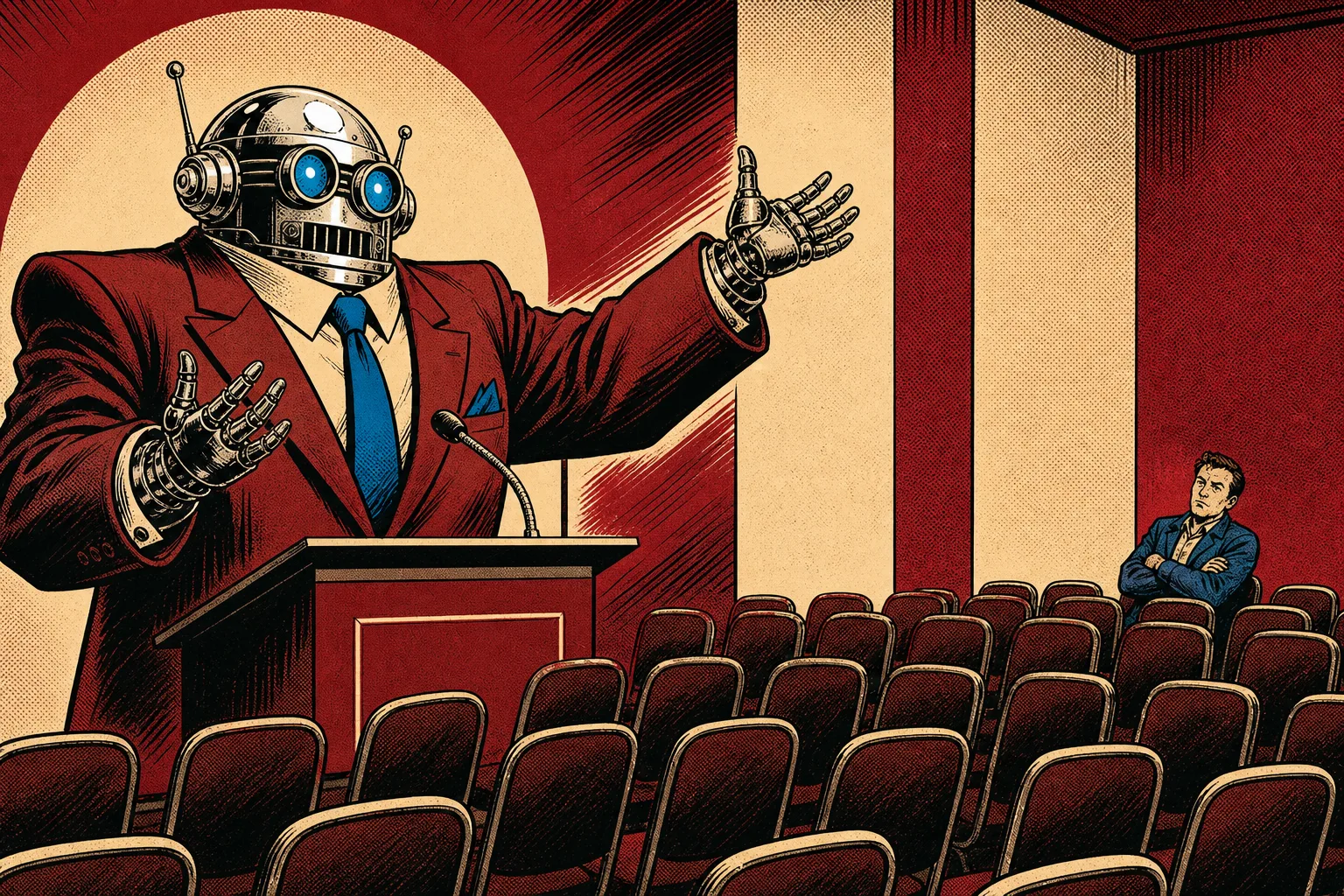
Here’s the honest framing the survey numbers point toward. The worry isn’t really about existence of AI companions — it’s about substitution. A tool that helps a lonely person practice conversation differs morally and probably behaviorally from one optimized to replace human contact entirely. The public-intuition that something could go badly here is supported by the documented incidents: companion bots letting romantic conversations with minors, generating false medical information.
The narrow public-expert gap suggests both groups see the same risk shape. Where they differ is confidence that market incentives will avoid exploiting it.
The call
- If you build conversational products, decide deliberately whether your design rewards engagement over user wellbeing — because users and regulators increasingly assume the worst until shown otherwise.
- Emotional-inference features need a workplace/school check against EU rules regardless of your market.
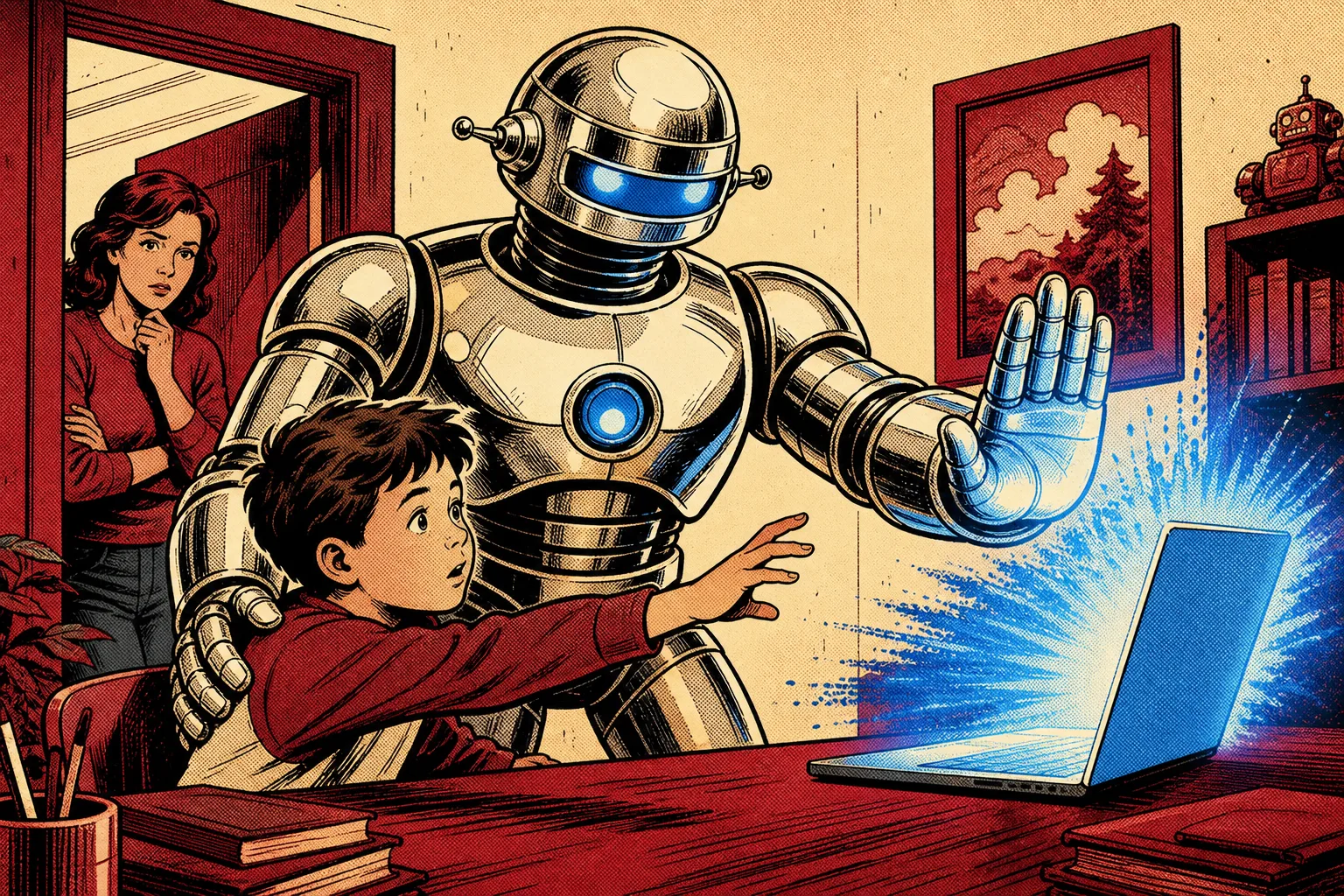
- For personal use, the two-thirds-worried number is worth sitting with honestly: the risk isn’t the tool, it’s what it displaces.
- Watch the incident record, not the hype in either direction. The documented failures so far involve minors and medical misinformation — specific, preventable, and now regulatory targets.
Sources

Submit a take
Have a different read on this? Drop a comment below — your email isn't published, and I read every one. Nothing leaves the site until I approve it.