AI Bias: The Concern With the Narrowest Gap
64% of the public and 73% of experts worry about AI bias — a 9-point gap. But agreement on the concern hasn't produced agreement on the fix.
AI Bias: The Concern With the Narrowest Gap
One-line job: Understand where AI bias sits in public opinion — the most agreed-upon concern — and why agreement hasn’t fixed it. Audience: Teams deploying AI in decisions about people. Not for: Readers wanting a bias-audit methodology. This is the sentiment and regulatory picture. Last verified: 2026-08-13 Evidence weight: documentation-verified
Remember the job-displacement gap? Fifty points between public and experts. Bias is the opposite case: 64% of U.S. adults and 73% of AI experts are concerned about AI bias against certain groups — a nine-point gap, among the narrowest measured.
That alignment should make this the easiest concern to act on. Everyone already believes it’s real.
The global weight
KPMG’s 2025 study (n=48,340 across 47 countries) puts manipulation or harmful use at the top of the global risk list — 85% listing it as top-tier — with bias concerns embedded throughout. Reuters/Ipsos polling (August 2025, via Pew/Stanford aggregation) documented AI generating racist arguments as a specific, named public concern rather than an abstract category.
There’s also a generational signal worth watching: Gallup’s Voices of Gen Z 2026 found 42% of Gen Z believe AI hurts their ability to think carefully about information versus 25% who think it helps. The most AI-native generation is also the most skeptical of what it does to judgment — a finding that should unsettle any assumption that familiarity breeds acceptance.
Where the law landed
The EU AI Act drew a bright line in Article 5(1)(g): biometric categorization systems that deduce race, political opinions, religious beliefs, sex life, or sexual orientation from biometric data are prohibited outright. Not “regulated” — prohibited. The reasoning treats inference of protected characteristics from faces or bodies as a harm regardless of accuracy or intent.
For anyone deploying models that process people-images in Europe, this is a hard boundary that predates any audit you might run.
Why agreement hasn’t produced fixes
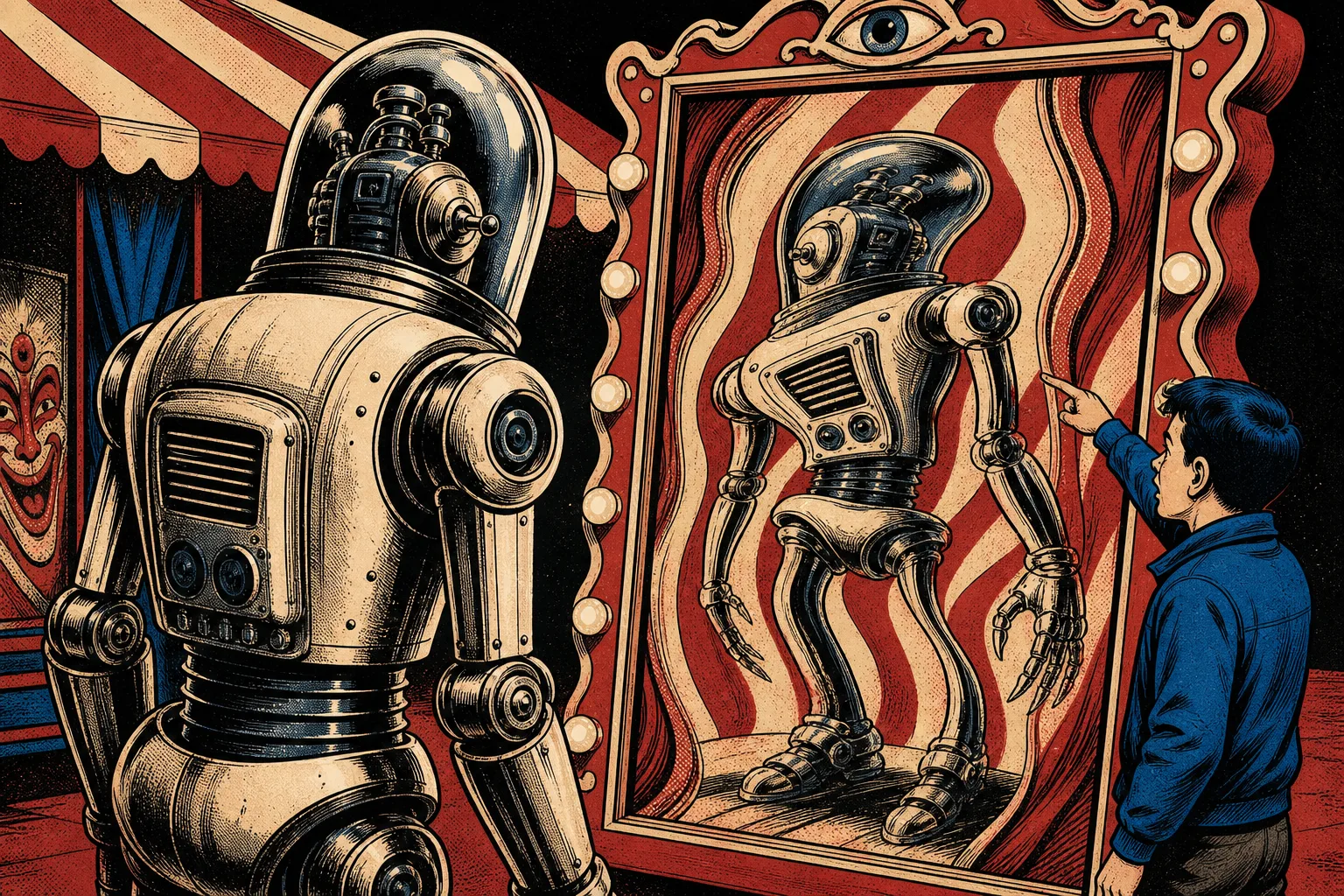
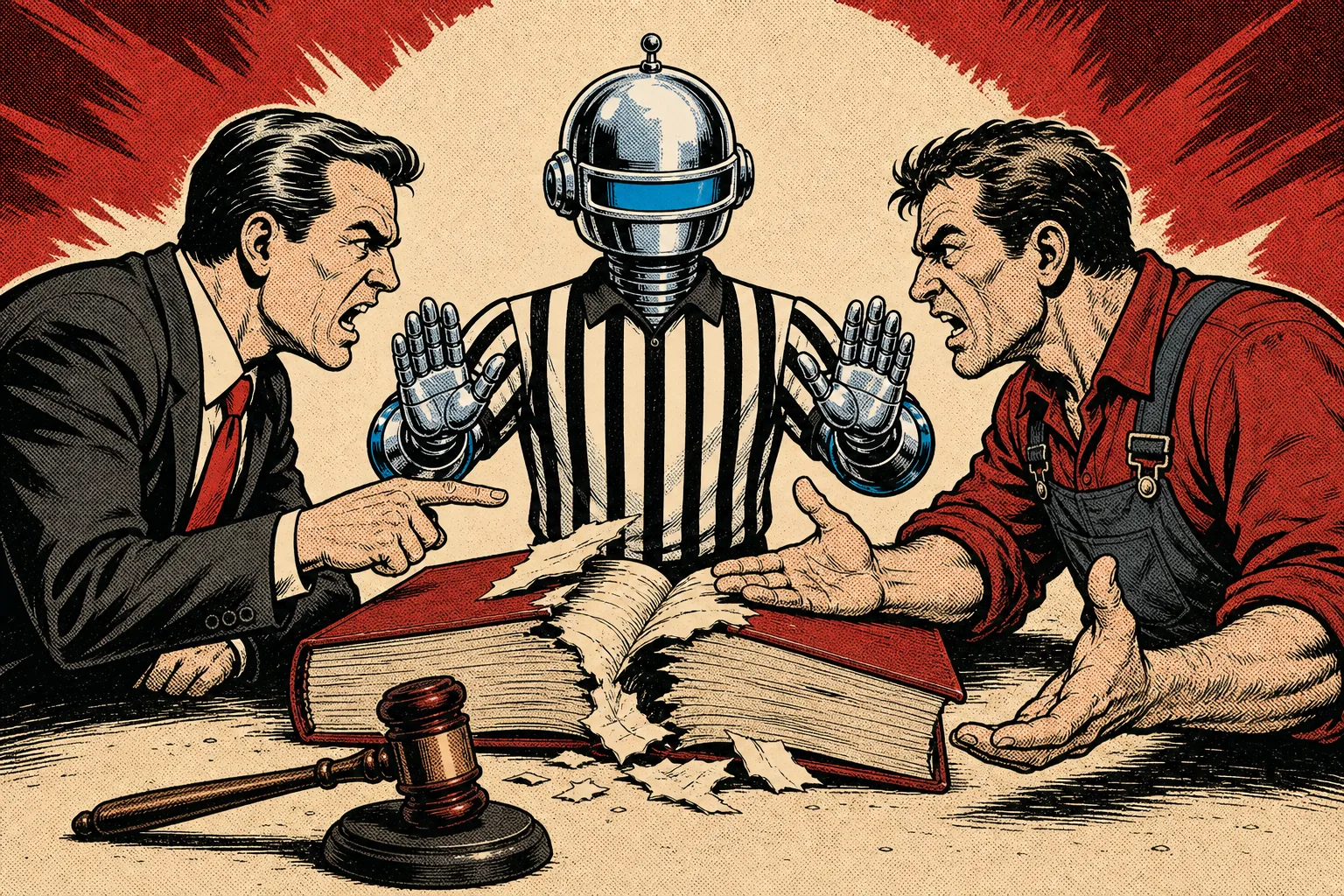
Here’s the puzzle the narrow gap poses. Public and experts agree bias is a problem. So why does it persist? Because the disagreement starts after the concern — at measurement. What counts as fair when groups differ in base rates? Whose ground truth? Audit standards remain contested even among people who share the values.
The practical consequence for operators: you can’t outsource your fairness position to consensus, because there isn’t one past “it matters.” There are only documented choices, tested systems, and honest disclosure of known limitations.
The call
- If your model touches decisions about people, document what you tested for bias against — and what you didn’t. The untested list is the first thing an auditor or journalist asks for.
- Check EU AI Act Article 5 applicability before shipping anything that categorizes humans from images. Some capabilities are simply off-limits there.
- Treat Gen Z skepticism as a leading indicator, not a generational quirk. Your next decade of users starts from distrust of AI-mediated judgment.
- Publish limitations. In a narrow-gap landscape, honesty about known bias costs little credibility and buys the trust that silence burns.
Sources


Submit a take
Have a different read on this? Drop a comment below — your email isn't published, and I read every one. Nothing leaves the site until I approve it.